When empathy enters the equation, economics stops being about profit — and starts being about possibility. Empathy doesn’t distort the market — it redefines its value.” — Nehal”


A Reflection from my experience
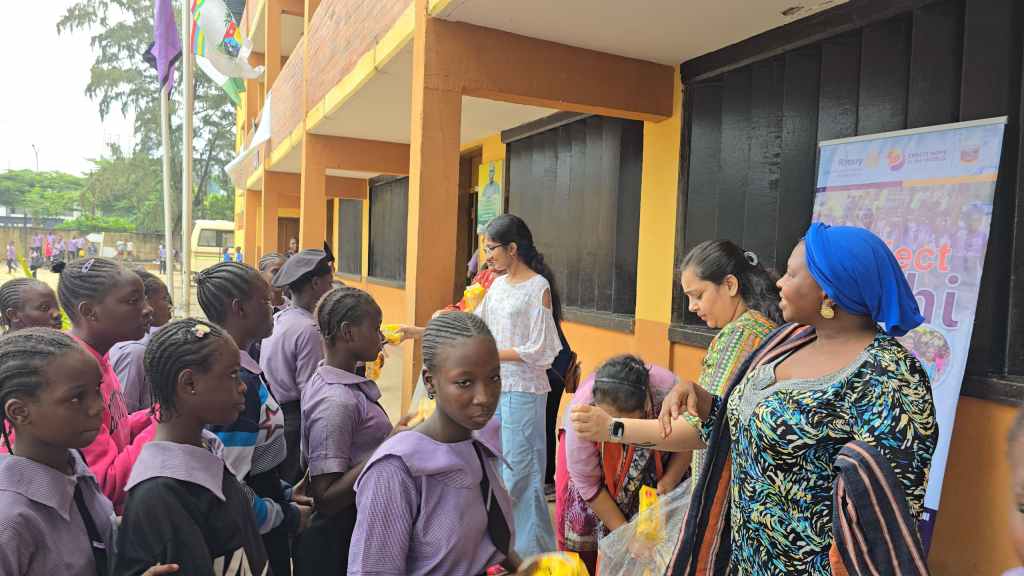
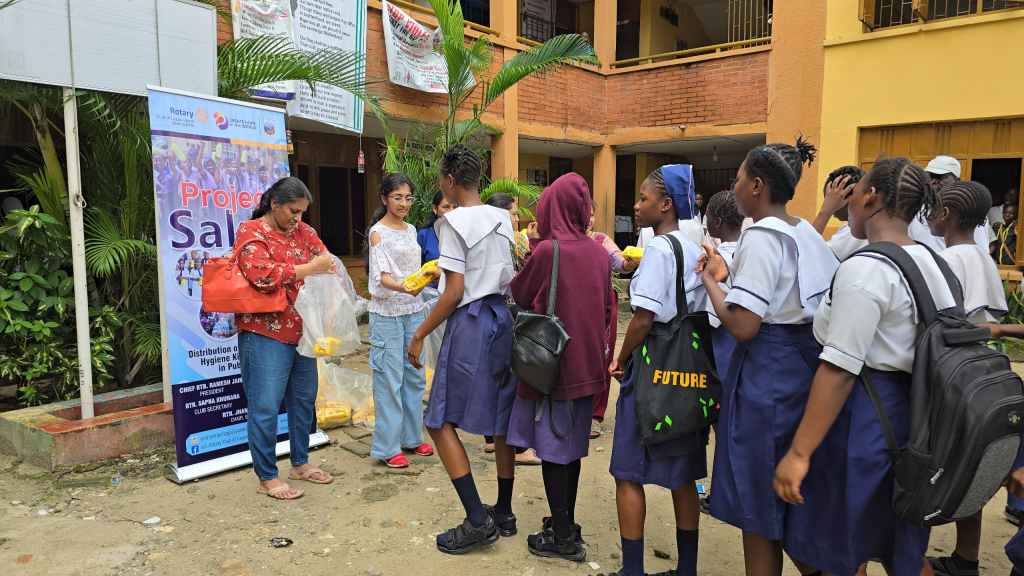
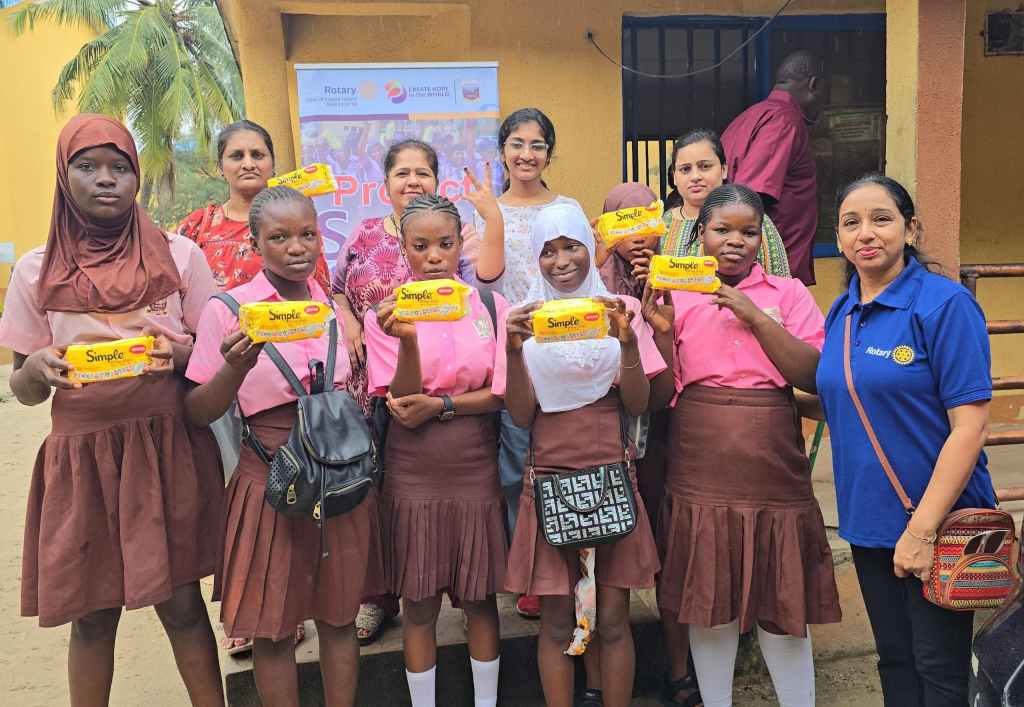
Through my Rotary liaison work, we distributed hygiene kits, talked about menstrual dignity, and taught local leaders how to build sustainable pad donation chains.
I had the opportunity to speak to girls, they told me the session would be about “hygiene awareness.”
What they didn’t tell me was how much it would change me.
When I walked into that community hall in Lagos, the girls were shy — half-curious, half-embarrassed. Some giggled when I mentioned “menstrual cycles.” One girl whispered to another in Yoruba, and they both laughed, hiding behind their notebooks. “It’s okay,” I said. “You can ask anything”.
Slowly, the questions began.
“Miss, why do pads cost more than bread?”
“Is it true that periods are dirty?”
That last one hit me like a pin through silence. I paused — because how do you explain dignity to someone who has been denied it?
I told them, “Periods are not dirty. They’re proof that your body works, that you can give life. It’s strength — not shame.”
We spoke about economics too — not the kind from textbooks, but the real kind. I drew a simple chart on the blackboard — two columns: Cost and Consequence.
In one, we listed what a pad costs.
In the other, we listed what happens when you can’t afford one — lost school days, missed opportunities, shrinking confidence.
That’s when a girl named Ada raised her hand and said quietly,
“So, we pay the price twice — once in money, and again in silence.”
That line stayed with me. I wrote it down later that night in my journal. It became the title of my next session — “The Price of Periods.”
That day, economics felt alive. It wasn’t just graphs or demand curves — it was empathy quantified. It was proof that change begins not with policies, but with conversations brave enough to challenge comfort.
 The reflective economist by Nehal